
REVIEW · RIGA ART NOUVEAU ARCHITECTURE TOURS
Riga Art Nouveau walking tour
Riga Art Nouveau is decoration with a job. This walking tour turns pretty facades into clear stories, so the buildings make sense instead of just looking cool. I love learning how symbols and design choices work, and I also love that the guide keeps things moving at a smart pace for a 1 hour 45 minute walk.
I especially liked how guides bring the neighborhood to life. In the past, guides such as Diana and Gunta have been praised for being engaging and for making practical adjustments when weather hits, like pausing under cover during a sudden downpour.
One drawback to consider: there are rare reports of day-of confusion when cancellations happen due to minimum group numbers, or when messages are missed. Before you head out, do a quick check of the app and your email so you are not left guessing at the meeting point.
In This Review
- Key highlights worth your attention
- Art Nouveau that you can actually read, not just photograph
- Price and value: paying $36.09 for structure, not just a stroll
- Where you start: Laima Clock, then straight into central Riga
- Stop 1: the Freedom symbol and Latvia’s meaning behind the stone
- Riga Opera House elements: the facade as a message
- Alberta Iela: the Art Nouveau main street for symbol spotting
- Why the guides get so much credit
- Going beyond the Old Town, and why that matters
- Group size, pacing, and what to expect on the ground
- When things can go wrong, and how to protect your day
- Who this tour fits best, and who might skip it
- Final verdict: should you book the Riga Art Nouveau walking tour?
- FAQ
- How long is the Riga Art Nouveau walking tour?
- What is the price per person?
- Where does the tour start and end?
- What time does the tour begin?
- What language is the tour offered in?
- Is the tour group small?
- Is there an entry fee during the walk?
- Are tips included?
- Can I cancel for a refund?
- Is the tour accessible for service animals and most travelers?
Key highlights worth your attention
- Freedom symbol stop with a short Latvia story, so you know what you are looking at
- Riga Opera House focus, including notable exterior elements you can actually spot later
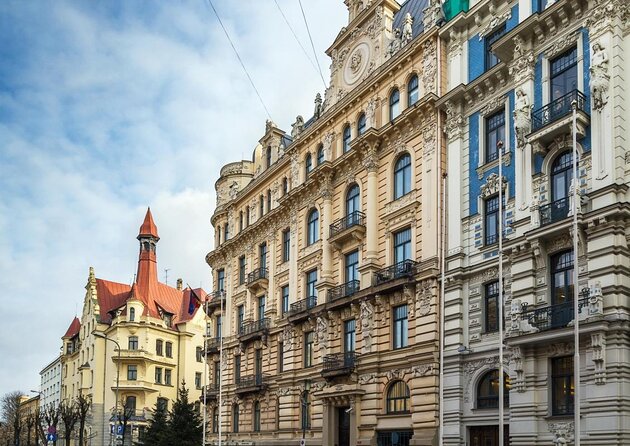
- Alberta Iela walk, the Art Nouveau street where details and symbols become the main event
- Professional English-speaking guide, with strong feedback on storytelling and keeping the group on track
- Small group by design, up to 30 people, which helps you hear explanations
- Walking route beyond the Old Town, great if you want more of central Riga
More Alberta Street facades, and the guides who explain them
Art Nouveau that you can actually read, not just photograph
Riga has one of Europe’s most recognizable Art Nouveau scenes, and it is not only about pretty curves. The best way to understand it is to learn the language the buildings are using. On this tour, you do that fast, by focusing on the details that most people miss when they are rushing for the next photo.
The experience is built around interpretation. You look at facades and then the guide explains why the decoration is there, how recurring motifs connect to local meaning, and what you can notice once you know what to look for. It turns the walk into something you will remember later, not just a blur of buildings.
Two big wins make this tour feel worth your time. First, you get symbol explanations that help you decode the architecture. Second, you get a guide who can handle real-world travel conditions, including weather. That matters in Riga, where a quick rain can change your plans in minutes.
Price and value: paying $36.09 for structure, not just a stroll
At $36.09 per person for about 1 hour 45 minutes, this is priced like a guided “high-impact” walking experience. You are paying for three things you cannot easily DIY: a clear route, a guide who can explain the design choices, and time savings once you arrive.
If you are the type who likes architecture but hates information overload, this works well. You do not need to read a book beforehand. You start at the right place, get a guided sequence of stops, and leave knowing which details matter most.
Also, you are not locked into paid entry fees during the walk. The tour’s Alberta Iela segment lists free admission, which keeps your budget simple. Food and drink are not included, so plan to grab a snack before or after depending on what you enjoy.
The other value angle is timing. A 12:30 pm start gives you a useful chunk of sightseeing that fits many travel days. If you want Art Nouveau without spending the whole afternoon walking in circles, this kind of route helps you use your time better.
Where you start: Laima Clock, then straight into central Riga
Your tour starts at the Laima Clock, at Aspazijas bulvāris 20. This is a convenient anchor point, and it is easy to find on foot or by using public transportation since the meeting area is listed as near transit.
Starting at a clear landmark matters more than you might think. Art Nouveau buildings can look similar from a distance, and a guide is also there to keep the group organized. The goal is for you to spend your energy on the facades and the stories, not on figuring out where the next stop is.
The tour ends at Kalpaka bulvāris 12A. That means you finish in central Riga, which is handy for continuing your day with other sights, meals, or a museum stop nearby.
More walks around Riga
- Best of Riga Walking Tour – Highlights and Hidden Gems
★ 5.0 · 147 reviews - Riga Art Nouveau walking tour
★ 4.0 · 27 reviews - Best Of Riga Walking Tour: Old Town
★ 4.5 · 19 reviews - Riga walking guided Sightseeing tour
★ 5.0 · 19 reviews - Old Town And Art Nouveau Walking Tour Of Riga
★ 4.0 · 15 reviews
Stop 1: the Freedom symbol and Latvia’s meaning behind the stone
One of the first stops in the sequence is the symbol of freedom in Latvia, paired with a short story. This is smart programming. When a tour starts with meaning, you pay more attention for the rest of the walk.
Even if you have only a small amount of background, you will recognize why this matters. Art Nouveau in Riga is often treated as “style,” but style is also identity. The guide’s story gives you a framework, so later architectural details do not feel random.
What to watch for here is how symbolism works visually. You are not just seeing an object. You are learning how design communicates ideas like values, memory, and public message. After a stop like this, you will likely look at later facades with a more questioning mind, and that is when Art Nouveau turns from pretty to powerful.
Riga Opera House elements: the facade as a message
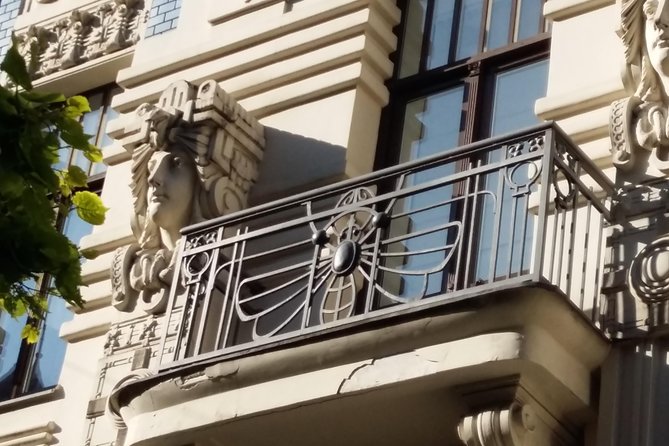
Next up is the Opera House and its elements. This stop works because the Opera area is both visually impressive and full of design language that Art Nouveau fans love to study.
The key benefit is that you get a guided way to look. Instead of standing in front of a big landmark and guessing which features the guide cares about, you learn what to focus on, and why. That makes your photos better too. You will be able to frame details, not just the whole building.
Drawback to note: you may need to manage your expectations if you want deep museum-style explanations. This is a walking tour format, so the Opera House stop is about highlighting specific elements and connecting them to the style themes you will see on the rest of the route.
Alberta Iela: the Art Nouveau main street for symbol spotting
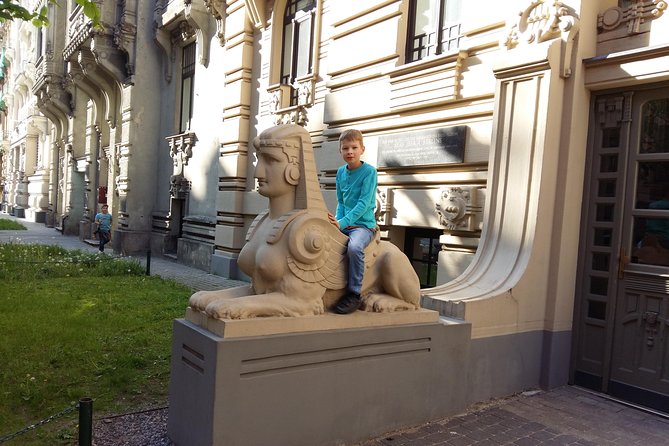
The tour’s main walking segment is on Alberta Iela, described as the key street where Art Nouveau flourishes. This is where the experience earns its keep.
You spend about 30 minutes here, and the guide focuses on how house symbols and architectural details tie to history. This is the stop that helps you “read” the neighborhood. Once you start noticing motifs and recurring ornament patterns, the entire street feels like a coordinated design language instead of separate buildings.
If you enjoy architectural storytelling, this is your moment. You will likely find yourself slowing down to look at cornices, facade ornament shapes, and the little visual signatures that make Art Nouveau distinct.
One practical tip: wear comfortable shoes. Alberta Iela is the kind of street where you will want to look up a lot, which means a lot of time spent standing and walking slowly. Good grip matters if pavement looks slick after rain.
Why the guides get so much credit
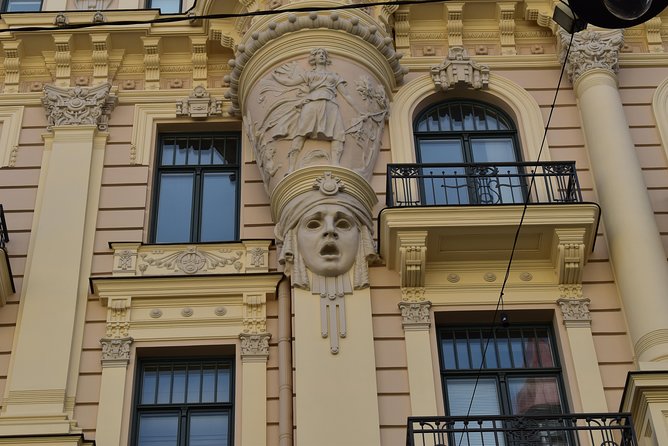
This is the part that separates a “see the buildings” walk from a “learn the buildings” walk. The guide is a core feature here.
In the feedback you can feel the difference. Guides such as Diana have been praised for being articulate and engaging, covering a lot of ground without rushing you. Another named guide, Gunta (sometimes written as Guta), earned strong mentions for being passionate about Art Nouveau architecture in Riga and for explaining what led to the style.
There is also an important travel detail hidden in the best review: a sudden downpour. A good guide does not just keep walking. They adjust the talk and timing so the group stays comfortable. That kind of experience tells you the tour is run with real care, not just a script.
If you are choosing this tour because you want value, look for this kind of guide feedback when deciding. A great guide can make a short walk feel like you saw way more.
Going beyond the Old Town, and why that matters
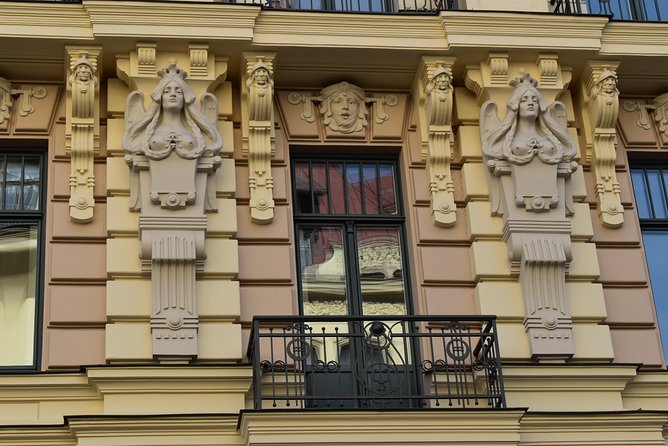
Many first-time Riga itineraries stick to the Old Town, which is beautiful, but it can also limit your view of the city’s design story. This tour is built to take you into another area of Riga, with key stops tied directly to Art Nouveau’s presence and influence.
That matters for three reasons.
First, Art Nouveau is not only a background feature in Riga. It is part of the city’s identity, and it shows up strongly in streets like Alberta Iela.
Second, you get a more “lived-in” sense of the city by moving through central areas.
Third, you avoid the feeling that you are repeating the same sights you could see from a map in an afternoon.
If you are in Riga for a limited time, this is a smart use of an hour and change. It is not a full-day commitment, but it adds a layer that most people miss when they only do the historic core.
Group size, pacing, and what to expect on the ground
The tour caps at 30 travelers, which is a sweet spot for a walking experience. Big groups often turn into quick stops and loud voices. A smaller group helps the guide keep control of attention and manage questions.
You should expect a moving pace, since the tour is about 1 hour 45 minutes. That does not mean you will be sprinting. It means you will cover enough ground to make the guide’s explanations useful rather than spending the whole time in one spot.
English is the listed language, and the tour uses a mobile ticket. That is convenient if you are juggling reservations and do not want to print anything.
Also, service animals are allowed, and most travelers can participate. If you plan to join, consider bringing a light rain layer or umbrella. Riga weather can change quickly, and a guide will appreciate you being prepared.
When things can go wrong, and how to protect your day
Travel has a reality check, and this tour has a couple of caution signs in the feedback.
One report describes a day-of issue where the booking appeared confirmed, but nobody was at the meeting spot. The explanation provided afterward was that the booking was canceled because there were not enough people booked, and messages were sent via email and app. Another related concern is that you should not assume the app confirmation alone is enough.
Here is your practical fix: before you leave your hotel, check the tour message in the app and also scan your email. It takes one minute. It can save you an hour of wasted afternoon time.
Another review mentions a mismatch around expectations for a private tour. The key takeaway is simple: if “private” is important to you, confirm what you are actually buying before you show up.
These are not reasons to avoid Riga. They are reminders to treat booking like part of sightseeing. A quick check helps you enjoy your day instead of troubleshooting it.
Who this tour fits best, and who might skip it
You will enjoy this tour most if you like architecture, symbols, and stories that connect design to local meaning. It is also ideal if you want to go beyond the Old Town but still want a guided route that keeps things easy.
It is a good choice for:
- First-timers who want Art Nouveau explained in plain language
- Travelers short on time who still want a lot of detail
- People who like seeing streets, not just landmarks
- Anyone who enjoys a guide-led walk where questions feel welcome
You might consider skipping or comparing if:
- You only want the biggest exterior sights and do not care about ornament symbolism
- You strongly prefer a very flexible walking pace with no group structure
- You are sensitive to last-minute changes and want very strict certainty
Final verdict: should you book the Riga Art Nouveau walking tour?
If you want Art Nouveau you can read, not just admire, this is a solid pick. The route hits key design areas, and the strongest feedback points to guides who explain details clearly and handle real weather smoothly. At $36.09, you are paying for a guided interpretation that helps you enjoy the city more, not just walk and hope.
My advice to make it a smooth day: plan to arrive a few minutes early at the Laima Clock area, then check the app and email right before departure. If you do that, the odds are good you will spend your time learning, looking up, and enjoying the city instead of hunting down a meeting point.
If you are curious, book it. Just do the quick confirmation check, bring comfortable shoes, and get ready to spot symbols like you are in on the secret.
FAQ
How long is the Riga Art Nouveau walking tour?
It runs about 1 hour 45 minutes.
What is the price per person?
The price is $36.09 per person.
Where does the tour start and end?
It starts at Laima Clock, Aspazijas bulvāris 20, Centra rajons, Riga, and ends at Kalpaka bulvāris 12A, Centra rajons, Riga.
What time does the tour begin?
The start time shown is 12:30 pm.
What language is the tour offered in?
The tour is offered in English.
Is the tour group small?
Yes. It has a maximum of 30 travelers.
Is there an entry fee during the walk?
Admission for the Alberta Iela stop is listed as free. Food and drink are not included.
Are tips included?
No. Tips for the guide are not included.
Can I cancel for a refund?
Yes. Free cancellation is available up to 24 hours in advance for a full refund.
Is the tour accessible for service animals and most travelers?
Service animals are allowed, and the tour notes that most travelers can participate.
Other Latvian Tours
- Riga Old Town walking tour★ 4.5 · 304 reviews
- Latvian food tasting tour at Riga Central market★ 4.5 · 241 reviews
- Discover Riga Bike Tour★ 5.0 · 166 reviews
- Best of Riga Walking Tour – Highlights and Hidden Gems★ 5.0 · 147 reviews
- Riga Old Town Walking Tour in a Small Group★ 4.5 · 132 reviews
More Latvia Reviews
- Riga Old Town walking tour★ 4.5 · 304 reviews
- Latvian food tasting tour at Riga Central market★ 4.5 · 241 reviews
- 2 countries! Hill of Crosses, Rundale Palace and Bauska castle★ 5.0 · 225 reviews
- Discover Riga Bike Tour★ 5.0 · 166 reviews
- From Riga: Hill of Crosses & Jelgava Highlights★ 5.0 · 149 reviews
More Art Nouveau in Riga
- Old Town And Art Nouveau Walking Tour Of Riga★ 4.0 · 15 reviews
- Private Riga Art Nouveau Tour★ 5.0 · 5 reviews
- Ultimate Art Nouveau Experience in Riga – Private Tour★ 5.0 · 4 reviews
- Riga’s Architecture: A self-guided audio tour of the city’s art nouveau history★ 5.0 · 3 reviews
Other Latvian tours we have written up


Riga Art Nouveau Architecture Tours, side by side.
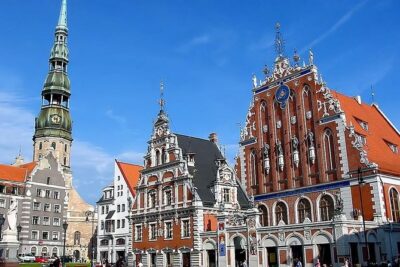 ★ 4.0Old Town And Art Nouveau Walking Tour Of RigaFrom $16815 reviews
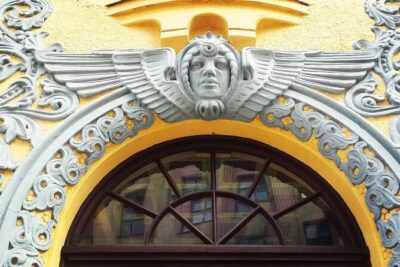 ★ 5.0Private Riga Art Nouveau TourFrom $1785 reviews
 ★ 5.0Ultimate Art Nouveau Experience in Riga – Private TourFrom $1304 reviews
 ★ 5.0Riga’s Architecture: A self-guided audio tour of the city’s art nouveau historyFrom $53 reviews
Also on these lists